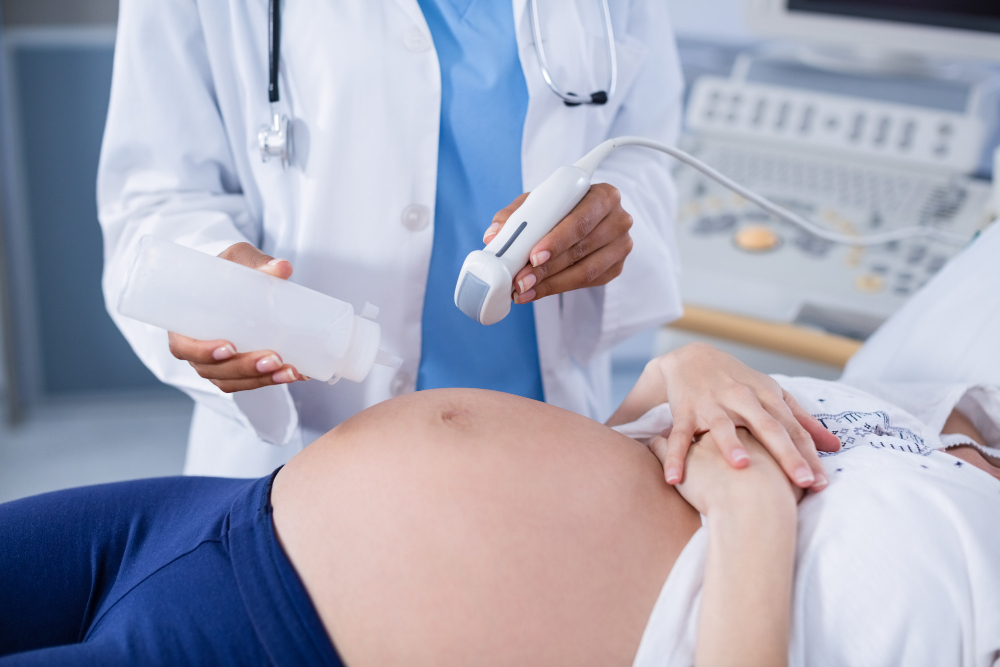
Abortion, medically referred to as pregnancy termination, is the elective or medically indicated termination of an unwanted pregnancy or an unviable gestation (such as missed abortion or blighted ovum) performed by an expert obstetrician and gynecologist. When executed under strict sterilization guidelines within modern clinical frameworks and supported by advanced technological devices, abortion is a highly safe, brief, and comfortable gynecological intervention that safeguards a woman's future reproductive performance. At our clinic, all therapeutic procedures directed by Op. Dr. Semra Capar are established on strict patient confidentiality, total personal safety, and emotional comfort, maintaining the highest ethical and medical international standards.
In modern medical architecture, pregnancy termination is carried out utilizing the "Vacuum Aspiration" method (utilizing flexible plastic Karmen cannulas). This advanced mechanism has entirely replaced older, sharp curettage techniques that scraped the delicate uterine walls, serving as the modern gold standard because it finishes within minutes and ensures an exceptionally rapid gynecological recovery phase with minimal infection parameters. Before the intervention, high-resolution transvaginal ultrasonography (USG) is routinely performed to localize the gestational sac, measure the exact gestational week, and provide the patient with comprehensive medical counseling. The procedure can be conducted under localized numbing or light sedation supervised by a dedicated anesthesiologist based on patient preference. The application concludes in about 5 to 10 minutes, and patients can step back into their routine daily activities on the same day after a brief post-operative monitoring period.
Abortion serves as a medical necessity not only for unintended pregnancies but also for evacuations following incomplete natural miscarriages (revision curettage) or systemic maternal illnesses that present risks to maternal life. Following the completion of the aspiration, specialized protective medical therapies are carefully prescribed to support rapid uterine contraction and maintain an effective antibacterial barrier, alongside a scheduled gynecological check-up. Adhering to personalized hygiene guidelines, resting adequately, and protecting the cervix assist in rapid healing. Undergoing an abortion in unsanitary, unauthorized environments carries severe medical dangers including permanent secondary infertility (Asherman's syndrome), uterine perforation, and systemic pelvic infections; therefore, the procedure must always be conducted within a fully equipped, professional specialist clinic under optimal gynecological security.
Frequently Asked Questions
-
Up to which gestational week can a legal abortion be performed? According to current legal regulations in Turkey, elective pregnancy terminations and abortion procedures can be legally performed up to the 10th week of gestation (10 weeks and 0 days).
-
Is a pregnancy termination (abortion) procedure painful? Procedures performed via the vacuum aspiration method combined with sedation anesthesia are entirely pain-free. The patient does not feel the intervention; only a mild, menstrual-like uterine cramping may be felt upon awakening.
-
When does the normal menstrual cycle return following an abortion? The day of the abortion is gynecologically regarded as the first day of a new menstrual cycle. Following the procedure, regular menstrual bleeding typically resumes within 4 to 6 weeks.
-
Is it possible for a woman to conceive again after undergoing an abortion? Yes. When an abortion is performed by an expert gynecologist using the gentle vacuum technique under sterile parameters, it does not harm the endometrial layers, presenting no barrier to future pregnancy plans.
-
How long does the entire termination procedure take in a clinic setting? Following initial clinical check-ups and ultrasound mappings, the actual vacuum aspiration abortion procedure itself concludes quickly within an average of 5 to 10 minutes from a gynecological standpoint.
-
Does the patient require dedicated bed rest at home after the intervention? Our patients can comfortably return to light social and professional routines on the same day once the effects of sedation fade. However, avoiding strenuous work and resting at home for the first 24 hours is recommended.
-
How long should a patient wait to resume sexual intercourse post-abortion? To ensure that the cervix closes completely, to eliminate the risk of ascending infections, and to allow proper tissue adaptation, it is gynecologically mandatory to abstain from sexual intercourse for the first 2 weeks.
-
Does an abortion procedure leave any physical scars on the body or genitals? No. An abortion is an incisionless procedure performed entirely through the vaginal tract by accessing the cervical canal into the uterine cavity. Therefore, no surgical scars or physical marks are left on the skin or external genitalia.
-
Is there any increased gynecological risk for individuals undergoing an abortion during their first pregnancy? No. Experiencing an abortion during a first pregnancy does not elevate gynecological risk coefficients. As long as the vacuum technique is utilized and sterile operational parameters are maintained, the procedure remains highly safe.
-
How is patient anonymity and data privacy managed for abortion appointments? Patient privacy is protected to the highest legal and ethical standards at our clinic. All medical records, performed procedures, and personal files are kept strictly confidential and are never shared with third parties or exterior institutions.
To acquire detailed medical insights regarding pregnancy termination steps, evaluate safe abortion methods, and schedule a strictly confidential appointment with Op. Dr. Semra Capar, please do not hesitate to reach out to our clinic today.