Ovarian cysts are fluid-filled pockets, sacs, or capsules encased by a thin membrane that develop within or on the surface of a woman's ovaries. Frequently diagnosed across all age groups within gynecological fields, the vast majority of these cysts manifest as a natural byproduct of healthy, monthly hormonal tracking during the reproductive years (functional cysts). Most ovarian cysts are completely benign, asymptomatic, and resolve spontaneously within a few subsequent menstrual cycles without the need for active intervention. However, depending on their physical dimensions and inner composition, certain cysts can provoke persistent pelvic pain, abdominal bloating, cycle irregularities, or critical events such as an ovarian torsion (the ovary twisting on its blood supply). Consequently, accurately assessing the gynecological nature of a cyst through proper diagnostic scanning is vital to safeguarding long-term reproductive performance.
At our clinic, the monitoring and treatment of ovarian cysts are structured entirely around the patient's biological age, the millimetric diameter of the mass, its specific ultrasonographic morphology, future childbearing goals, and clinical symptoms. To differentiate benign formations from suspicious pelvic masses, high-resolution transvaginal or abdominal ultrasonography (USG) is routinely combined with serum tumor marker assays (including Ca-125, Ca-19-9, and AMH tracking). Following this initial gynecological profiling, simple, fluid-filled functional cysts are generally managed conservatively through periodic ultrasound evaluations or temporary oral contraceptive protocols to check hormonal levels.
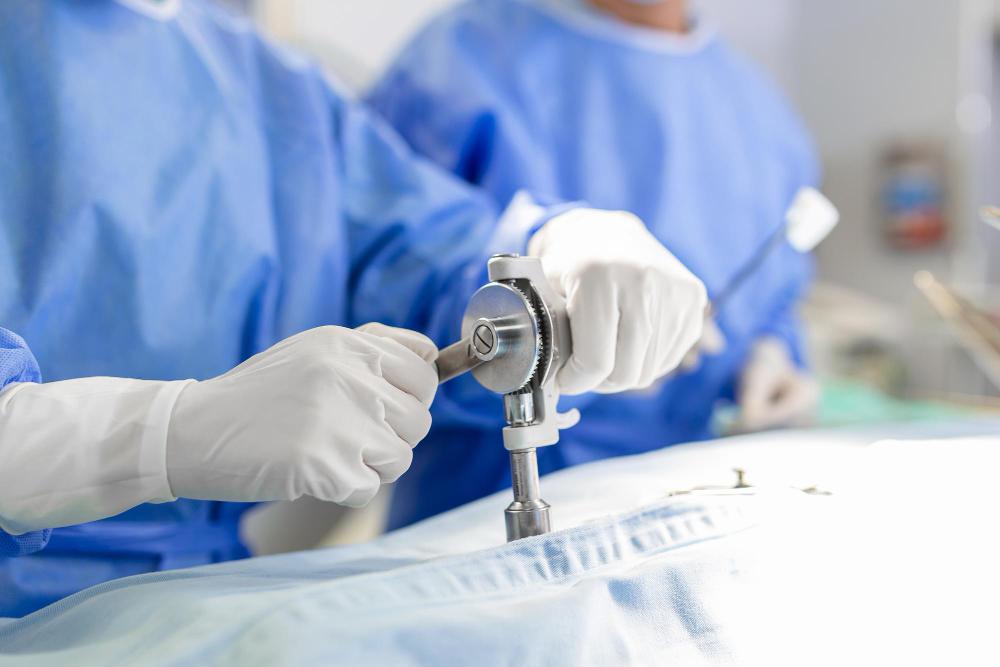
When an ovarian cyst exhibits continuous growth despite medical regulation, triggers debilitating pelvic distress, or displays non-resolving features such as a chocolate cyst (endometrioma), dermoid cyst, or cystadenoma, surgical management becomes the definitive gold standard. In our clinic, ovarian cyst surgeries are successfully managed via "Laparoscopic Cystectomy"—a closed surgical method engineered to carefully preserve the patient's healthy ovarian reserve and future fertility. Operating through minute ports in the abdominal wall using advanced cameras, the cyst capsule is meticulously stripped and excised while leaving the surrounding healthy ovarian tissue entirely undamaged. In rare instances involving malignant suspicions or total tissue destruction, an oophorectomy (complete removal of the ovary) may be discussed. Post-operative recovery following a laparoscopic cyst removal is remarkably quick, ensuring minimal physical pain, excellent aesthetic outcomes, and a safe return to standard social and professional routines within just a few days.
Frequently Asked Questions
-
What exactly is an ovarian cyst and what causes its formation? An ovarian cyst is a fluid-filled or semi-solid sac that develops inside or on an ovary. The most common cause is hormonal disruption, where a maturing follicle fails to rupture and release an egg, continuing to expand instead.
-
What distinct symptoms do ovarian cysts present in women? While most cysts remain entirely asymptomatic, common symptoms include menstrual cycle irregularities, localized dull or sharp pelvic pain, abdominal distension, bloating, and deep discomfort during intercourse (dyspareunia).
-
Can ovarian cysts become a direct cause of clinical infertility? Simple functional cysts do not lead to infertility. However, advanced chocolate cysts (endometriomas) resulting from endometriosis or structural ovulatory disorders associated with polycystic ovary syndrome can impair reproductive success.
-
How are ovarian cysts definitively diagnosed during a pelvic check? Ovarian cysts are easily identified during a routine manual pelvic examination and confirmed via high-resolution transvaginal ultrasonography (USG), which stands as the baseline imaging modality in modern gynecology.
-
Is there a clinical likelihood of an ovarian cyst turning into malignant cancer? The vast majority of ovarian cysts are benign, and the overall statistical likelihood of an ordinary cyst turning malignant is extremely low. However, rapidly growing complex masses or postmenopausal cysts warrant strict evaluation.
-
What does a laparoscopic cystectomy entail and what are its core assets? A laparoscopic cystectomy is a minimally invasive surgery where the gynecologist removes only the cyst capsule using camera-guided micro-instruments through tiny abdominal incisions, ensuring the remaining ovary remains healthy and intact.
-
Can ovarian cysts face a sudden risk of rupture or acute torsion? Yes, large or weighted cysts (such as dermoids) can cause the ovary to twist around its supporting ligaments, blocking blood flow (torsion), or they can rupture and cause internal pelvic bleeding. Both scenarios represent urgent emergencies.
-
Is it possible for an ovarian cyst to recur after it has been surgically cleared? Yes, as long as a woman’s reproductive hormone cycles remain active and underlying conditions like endometriosis or polycystic ovary traits persist, there is a lifelong gynecological possibility of developing new cysts over time.
To resolve your ovarian cyst concerns before they impact your reproductive health, evaluate our customized minimally invasive surgical pathways, and schedule a diagnostic consultation with Op. Dr. Semra Capar, please reach out to our clinic today.