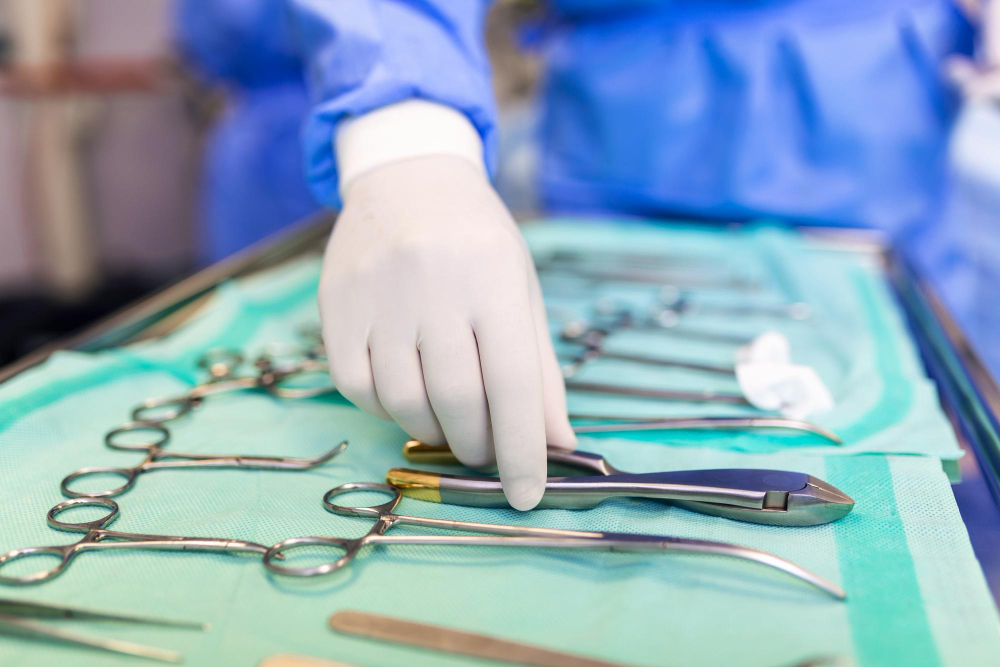
Laparoscopy, also widely known as "closed surgery," is a revolutionary, minimally invasive surgical approach utilized for both the definitive diagnosis and advanced treatment of various gynecological disorders. Instead of the extensive and deep abdominal incisions required in traditional open surgeries, laparoscopy is performed through minute, millimetric punctures in the abdominal wall. Thanks to this modern technological breakthrough, post-operative tissue trauma is strictly minimized, post-op pain is dramatically reduced, infection rates drop, and our patients can transition back to their routine daily, social, and professional activities much faster. In our clinic, laparoscopic surgical pathways are successfully integrated with cutting-edge medical infrastructure.
During a laparoscopic procedure, a tiny incision of about 0.5 to 1 cm is carefully placed inside or near the belly button, through which medical carbon dioxide gas is introduced to gently inflate the abdomen, generating a crystal-clear visual field and safe workspace. Subsequently, a laparoscope—a high-resolution optical camera equipped with a cold light source—is inserted into the pelvic cavity to monitor the gynecological organs. While internal reproductive organs are displayed in real-time on premium medical screens under high magnification, the surgical intervention is meticulously executed using micro-surgical instruments introduced via 2 or 3 secondary millimetric ports. Laparoscopy serves as the gold standard both for defining hidden sources of chronic pelvic pain, endometriosis (chocolate cysts), or unexplained infertility (diagnostic laparoscopy), and for therapeutic interventions such as removing fibroids (myomectomy), excising ovarian cysts, addressing ectopic pregnancies, opening blocked fallopian tubes, tubal ligation (sterilization), and even performing a total hysterectomy (laparoscopic removal of the uterus).
Compared to open laparotomies, the primary asset of laparoscopy is that the abdominal wall muscles remain uncut, allowing the patient to experience a virtually pain-free and comfortable post-operative phase. Blood loss during the operation is exceptionally low, and instead of prominent, aesthetic-disrupting abdominal scars, only minimal, tiny traces remain that gradually fade over time. Our patients are generally discharged safely within 24 hours post-operation—either on the same day or the following morning. The domestic recovery phase is equally rapid, with the gynecological tissues completing their comprehensive healing process within just a few weeks.
Frequently Asked Questions
-
What is laparoscopy (closed gynecological surgery)? Laparoscopy is a minimally invasive surgical method performed without widely opening the abdomen, utilizing a camera system and fine micro-instruments through tiny portal incisions to address gynecological issues.
-
Which gynecological conditions can be treated via a laparoscopic approach? Uterine fibroids (myomas), ovarian cysts, chocolate cysts (endometriosis), ectopic pregnancies, blocked fallopian tubes, pelvic organ prolapse, and precancerous conditions can be effectively resolved.
-
Why is the abdominal cavity inflated with gas during the surgery? Carbon dioxide gas separates the abdominal wall from the internal organs, creating a safe visualization and operational space for the gynecologist to manipulate instruments around the uterus and ovaries.
-
How long does the recovery take after a laparoscopic surgery? Patients are usually discharged 1 day after the operation. They can manage light indoor routines within a few days and are gynecologically cleared to resume work within 1 to 2 weeks.
-
What causes shoulder pain following a closed gynecological procedure? The residual carbon dioxide gas used to expand the abdominal zone can temporarily irritate the phrenic nerve near the diaphragm, causing a mild, transient ache in the shoulders on the first post-op day, which resolves quickly with light walking.
-
Is it possible to perform a total removal of the uterus using the closed method? Yes, through a procedure called a laparoscopic hysterectomy, the uterus—and ovaries if clinically necessary—can be completely detached and removed using closed, minimally invasive gynecological techniques without a large abdominal cut.
-
Is every gynecological patient an ideal candidate for laparoscopy? While highly versatile for most patients, an open surgical pathway may still be preferred for individuals suffering from advanced cardiopulmonary failure or possessing extensive internal pelvic adhesions from multiple prior open surgeries.
-
What care guidelines should be followed at home after the procedure? Meticulous attention must be paid to keeping the incision sites clean and dry. During the initial healing weeks, avoid lifting heavy objects, and abstain from vaginal douching, swimming pools, and seas to secure proper tissue adaptation.
To acquire detailed medical insights regarding modern closed surgery techniques, evaluate laparoscopic choices for your condition, and set up an appointment at Op. Dr. Semra Capar's clinic, please feel free to reach out to us today.